Sustainable Construction Practices: Eco-Friendly Building Practices in Bali
- Jan 14
- 4 min read
Building in Bali presents unique opportunities and challenges. The island’s natural beauty and cultural heritage call for construction methods that respect the environment and local traditions. Sustainable construction practices are essential for investors developing villas or hotels here. These methods not only reduce environmental impact but also enhance the long-term value and appeal of properties.
In this post, I will share practical insights into eco-friendly building techniques in Bali. I will cover materials, design strategies, and project management tips that align with sustainability goals. Whether you are starting a new project or improving an existing one, these ideas will help you build responsibly and efficiently.
Understanding Sustainable Construction Practices in Bali
Sustainable construction means using resources wisely and minimising waste while creating buildings that are comfortable, durable, and energy-efficient. In Bali, this approach is especially important due to the island’s fragile ecosystems and growing tourism industry.
Key principles include:
Using local and renewable materials to reduce transportation emissions and support the local economy.
Designing for natural ventilation and lighting to lower energy consumption.
Incorporating water-saving systems to address water scarcity issues.
Minimising construction waste through careful planning and recycling.
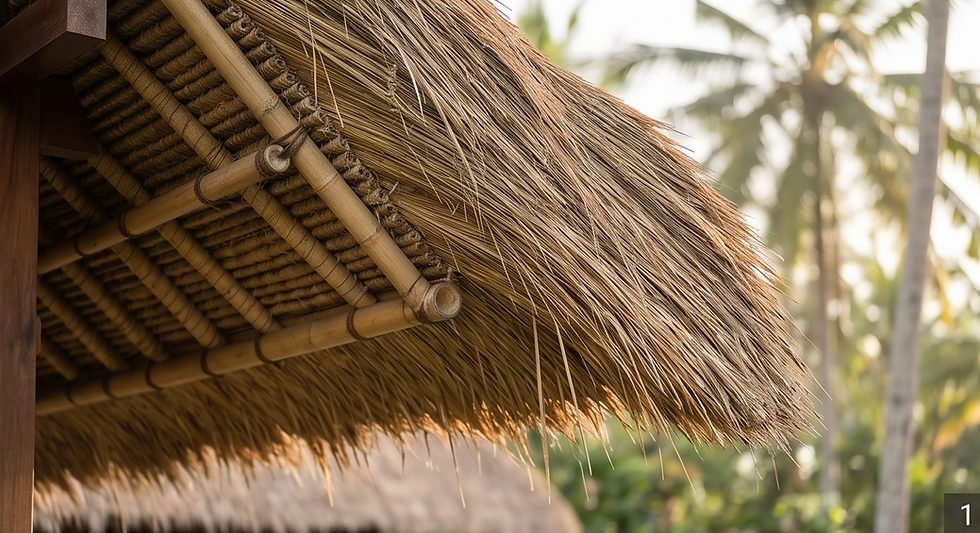
For example, bamboo is a popular local material. It grows quickly, is strong, and has a low carbon footprint. Using bamboo for structural elements or decorative features can significantly reduce environmental impact.
Another example is orienting buildings to take advantage of Bali’s tropical climate. Positioning windows and openings to catch prevailing breezes reduces the need for air conditioning. Similarly, using overhangs and shading devices protects interiors from direct sunlight, keeping spaces cooler naturally.

Choosing Materials That Support Sustainability
Material selection is a critical step in eco-friendly building. In Bali, several options stand out for their sustainability and availability:
Bamboo - As mentioned, bamboo is versatile and renewable. It can be used for flooring, walls, roofing, and furniture.
Recycled wood - Salvaged timber reduces deforestation and adds character to interiors.
Compressed earth blocks (CEBs) - Made from local soil, these blocks provide excellent insulation and reduce reliance on concrete.
Natural stone - Locally sourced stone is durable and blends well with the environment.
Non-toxic finishes - Using natural paints and sealants improves indoor air quality.
When sourcing materials, it is important to verify their origin and environmental impact. Avoid materials that contribute to deforestation or pollution. Working with suppliers who prioritise sustainability helps maintain project integrity.
Integrating Energy Efficiency and Water Conservation
Energy and water are two of the most significant resources in any building project. Sustainable construction practices focus on reducing consumption and utilising renewable sources.
Energy Efficiency
Solar panels are increasingly common in Bali. They provide clean energy and reduce electricity costs.
LED lighting uses less power and lasts longer than traditional bulbs.
Energy-efficient appliances help lower overall consumption.
Insulation in walls and roofs keeps interiors comfortable without excessive air conditioning.
Water Conservation
Rainwater harvesting systems collect and store rainwater for irrigation and non-potable uses.
Low-flow fixtures reduce water use in bathrooms and kitchens.
Greywater recycling treats wastewater from sinks and showers for reuse in landscaping.
Native landscaping requires less irrigation and supports local biodiversity.
Implementing these systems requires careful planning during the design phase. It is easier and more cost-effective to integrate them from the start rather than retrofitting later.

Managing Construction Projects with Sustainability in Mind
Effective project management is crucial to delivering sustainable buildings on time and within budget. Here are some strategies to consider:
Set clear sustainability goals at the outset. Define what eco-friendly means for your project.
Choose experienced contractors familiar with local materials and sustainable methods.
Monitor material usage and waste to avoid excess and encourage recycling.
Schedule regular site inspections to ensure compliance with environmental standards.
Engage local communities to support social sustainability and gain valuable insights.
Using a project management partner like Indo-Terra can simplify this process. They specialise in villa and hotel construction in Bali and Ubud, ensuring complex developments meet sustainability targets while staying on track.
Benefits of Eco-Friendly Building in Bali
Investing in sustainable construction offers multiple advantages:
Lower operating costs due to energy and water savings.
Enhanced guest experience with healthier, more comfortable environments.
Positive brand image that appeals to eco-conscious travellers.
Compliance with regulations and reduced risk of penalties.
Long-term asset value through durable, adaptable design.
By adopting eco-friendly building bali practices, investors can create properties that stand out in a competitive market while protecting Bali’s natural and cultural heritage.
Moving Forward with Sustainable Development
Building sustainably in Bali requires commitment and knowledge. By focusing on local materials, energy and water efficiency, and strong project management, you can achieve successful outcomes that benefit both your investment and the environment.
If you are planning a villa or hotel project, consider partnering with experts who understand the unique challenges and opportunities here. Together, you can deliver developments that are not only profitable but also responsible and resilient.
Sustainability is not just a trend; it is the future of construction in Bali. Embracing these practices today will ensure your projects thrive for years to come.