Efficient Minimalist Wooden House Construction Process
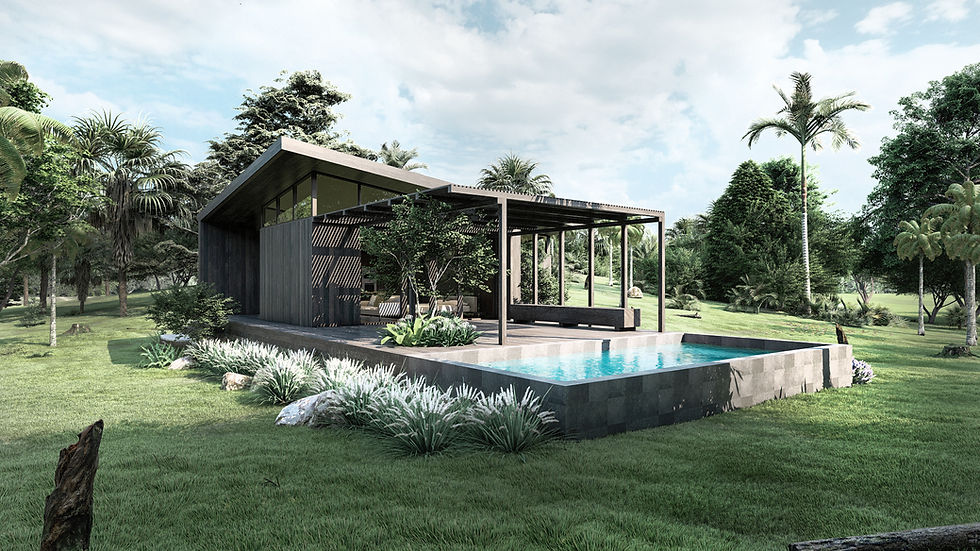
The efficient process of building a minimalist wooden house is every homeowner's dream. Imagine a dream home with a modern minimalist design, built quickly, cost-effectively, and environmentally friendly. All of this is possible with careful planning, the right choice of materials, and the application of the latest technology. Let's delve into the steps of building an efficient minimalist wooden house, from planning to finishing, to make your dream a reality.
This comprehensive guide will walk you through every step, from designing a floor plan that maximizes space and natural light, to selecting sustainable wood materials, to implementing modern construction techniques that can save time and costs. With the right strategy, building your dream minimalist wooden home is possible.
Planning the Construction of an Efficient Minimalist Wooden House
Building an efficient, minimalist wooden house requires careful planning. Structured stages, detailed cost calculations, and the right material selection will determine the project's success and ultimate satisfaction. Here are the planning steps you should consider.
Planning Stages and Time Cost Estimation
Detailed planning encompasses various stages, from design to material procurement. Each stage has its own time and cost estimates that must be considered. Here are the details:
Initial Design and Planning (2 weeks): Includes floor plan development, material specifications, and consultation with an architect. Estimated cost: Rp 5,000,000 – Rp 10,000,000.
Building Permit Processing (1 month): Processing the Building Permit (IMB) and other related permits. Estimated cost: Rp 2,000,000 – Rp 5,000,000 (depending on location and complexity).
Material Selection and Procurement (1 month): Selecting wood species, purchasing other building materials, and ensuring timely delivery. Estimated cost: Variable, depending on material specifications and building area.
Construction (3 months): The home building phase, including foundation, structure, and finishing. Estimated cost: Variable, depending on building specifications and labor costs.
Finishing and Cleaning (1 month): Final finishing, painting, and site cleaning. Estimated cost: Rp 5,000,000 – Rp 10,000,000.
Note: The above cost and time estimates are general and may vary depending on location, design complexity, and quality of materials selected.
Efficient Construction Stages: The Efficient Process of Building a Minimalist Wooden House
Building an efficient, minimalist wooden house requires careful planning and precise execution. This process isn't simply a matter of stacking wood, but rather an orchestration of measured steps that minimize waste and maximize results. Here are the construction stages you can implement to create your dream home effectively and efficiently.
The process of building an efficient minimalist wooden house begins long before the first hammer is swung. Detailed planning, proper material selection, and structured project management are key to success.
Land Preparation and Building Planning
This initial stage is crucial for the smooth running of the project. Ensure the land is clean, level, and free from obstructions. Detailed building plans, including floor plans, material specifications, and construction schedules, must be carefully prepared. Using 3D design software can help visualize the project and minimize future errors. A soil survey to ensure foundation stability is also crucial.
Foundation Construction
The type of foundation chosen must be appropriate to the soil conditions and building design. A strong and stable foundation will provide a solid foundation for a house. Efficiency is achieved through accurate calculations and the use of appropriate materials. For example, using a chicken claw foundation tailored to the building's load can minimize material use without sacrificing strength.
Wooden Structure Construction
This stage is the core of log home construction. Efficient construction techniques include the use of proper wood joints, precise measurements, and waste management. Using knock-down techniques that allow for disassembly and reassembly can simplify the construction process and reduce waste. Modular systems can also be considered to speed up the process and reduce errors.
Wood cutting is done with high precision to minimize waste.
Wood joints use strong and durable methods, such as dowel or bolt joints.
The use of a structured frame system to ensure the strength and stability of the building.
Roof Installation
Choosing the right roofing material, such as metal or asbestos tiles, impacts a home's efficiency and durability. The roof installation process must be carried out carefully to avoid leaks and damage. Careful planning and a trained team will expedite this process. For example, using a prefabricated roof truss system can speed up installation time.
Finishing and Painting
The finishing stage includes the installation of windows, doors, and other accessories. Painting is carried out after all construction work is complete. Choosing high-quality, durable paint will enhance the aesthetics and durability of the home. A well-planned finishing process will produce a neat and professional finish. For example, using spray painting techniques can speed up the painting process and produce a more even finish.
Project Management System
Effective project management involves detailed planning, close supervision, and smooth communication between the construction team and the client. Using project management software can help track progress, manage budgets, and resolve any issues that may arise. A realistic and flexible schedule is essential to address potential obstacles, such as inclement weather or material delays. For example, using a Gantt chart can help visualize the project schedule and identify potential delays.
Overcoming Potential Obstacles
Bad weather and material delays are common obstacles in construction. Careful planning, including contingency plans to address material delays and protect the construction from inclement weather, is crucial. Good communication between the construction team and material suppliers is also crucial to minimizing the impact of delays. For example, using alternative materials if the main material is late in arriving.
Development Process Flowchart
The following is a visual illustration of the process flow for building a minimalist wooden house (simplified):
Stage | Activity | Duration (Estimated) |
1 | Land Preparation & Planning | 1 weeks |
2 | Foundation | 1 week |
3 | Wood Structure | 1 weeks |
4 | Roof Installation | 1 week |
5 | Finishing & Painting | 2 weeks |
The estimated duration above is highly dependent on the complexity of the design, availability of materials, and number of workers.
Use of Technology and Innovation
Building an efficient minimalist wooden house isn't just about attractive design, but also about implementing the latest technology and innovation. By optimizing the use of modern technology and innovative materials, we can shorten construction time, reduce costs, and significantly improve building quality. This faster and more measurable construction process will provide satisfaction for both homeowners and contractors.
Integrating technology and innovation into every stage of construction, from planning to finishing, is key to successfully realizing your dream minimalist wooden home with maximum efficiency. Here are some key points to consider.
Implementation of 3D Design Software and Heavy Equipment
The use of 3D design software such as SketchUp, Revit, or AutoCAD allows for detailed and accurate planning. Architects and contractors can visualize home designs in three dimensions, simulate various scenarios, and detect potential problems before construction begins. This minimizes errors and field revisions, saving time and money. Meanwhile, heavy equipment such as cranes and forklifts speeds up the process of transporting and installing materials, especially for large wooden houses or those with complex designs.
The use of this heavy equipment also helps improve work safety on construction sites.
Benefits of Prefabricated Construction Techniques
Prefabricated construction offers a highly efficient solution. House components, such as walls, roofs, and floors, are manufactured in a factory and assembled on-site. This method significantly speeds up the construction process because work can be carried out in parallel. The standardized quality of the components also ensures consistency and accuracy of construction. Furthermore, prefabricated construction produces less construction waste than conventional methods.
Latest Innovations in Construction Materials and Techniques
The wood construction industry continues to innovate. Engineered wood materials with increased strength and durability, such as laminated veneer lumber (LVL) and cross-laminated timber (CLT), are gaining popularity. New construction techniques, such as innovative wood joints and panel wall systems, also improve structural efficiency and strength. The use of high-quality adhesives and sealants also plays a crucial role in improving a home's resistance to weather and pests.
Comparison of Conventional and Modern Methods
Method | Superiority | Lack | Cost |
Conventional | The construction process is easier to understand for less skilled workers. | The construction process takes longer, the potential for errors is higher, and there is more construction waste. | Relatively lower (depending on the complexity of the design), but labor costs tend to be higher due to the long processing time. |
Modern (Prefabrication & Technology) | Faster construction process, high precision, less construction waste, controlled quality. | Requires specialized expertise in prefabrication technology and assembly. Initial investment costs for technology and equipment can be high. | Initial costs may be higher, but overall project costs can be lower due to shorter lead times and material efficiencies. |
Steps for Implementing a Quality Management System
A structured quality management system is crucial to ensuring building quality. These steps include thorough and detailed planning, selection of quality materials, strict supervision during construction, regular testing, and comprehensive documentation. Clear and measurable quality standards need to be established from the outset of the project. This encompasses aspects of design, materials, construction processes, and the final product.
Regular monitoring and evaluation is also important to detect and address potential problems early.
Environmental and Sustainability Aspects
Building an efficient, minimalist wooden house isn't just about aesthetics and functionality, but also about a commitment to environmental sustainability. Material selection, construction processes, and waste management all play a crucial role in minimizing negative impacts on the planet. Let's explore how we can build our dream home in an eco-friendly and sustainable way.
Building an efficient minimalist wooden house begins with careful planning, including selecting the right materials and construction techniques. A crucial initial step is ensuring a solid foundation, and for this, soil testing is essential. If you're planning to build in Prabumulih, utilize our soil testing services to obtain accurate data on soil conditions. This information will guide you in designing the right foundation, ensuring the solidity and durability of your dream minimalist wooden house, reducing the risk of future damage, and increasing the efficiency of the overall construction process.
Wooden houses, with their natural properties, offer great potential for sustainable construction. However, selecting the right materials and construction processes is crucial to ensuring minimal environmental impact. Here are some important aspects to consider.
Environmentally Friendly and Sustainable Wood Selection
Choosing wood sourced from sustainable forests is the first step towards environmentally friendly construction. Avoid wood from illegally or unsustainably logged forests. Look for certified wood, which guarantees responsible forest management and sustainable logging practices. Also, consider local wood species, which reduce the carbon footprint of transportation and support local economies.
Minimizing Environmental Impact During Construction
Construction waste management is crucial for reducing environmental impact. Recycle as much material as possible, such as scrap wood, and dispose of waste according to local regulations. Use construction techniques that minimize waste and pollution. Energy conservation during the construction process is also important, for example by using energy-efficient equipment and maximizing natural light.
Wood Certification that Ensures Sustainability
Some wood certifications that guarantee sustainability and responsible forest management include the FSC (Forest Stewardship Council) and PEFC (Programme for the Endorsement of Forest Certification). Look for wood products bearing these certification labels to ensure the wood is sourced responsibly and sustainably. This certification ensures that the wood was harvested in a manner that does not damage the forest ecosystem and ensures natural forest regeneration.
Carbon Footprint Reduction Strategy, Efficient Minimalist Wooden House Building Process
Reducing your carbon footprint during the construction of a minimalist wooden house can be done in various ways. Choose local building materials to reduce carbon emissions from transportation. Use renewable energy during the construction process, such as solar power. Optimize the home design to maximize energy efficiency, such as by using good insulation and passive design to take advantage of sunlight and natural ventilation. Also, consider using recycled or environmentally friendly building materials.
Tips for Building an Eco-Friendly Minimalist Wooden House
Choose FSC or PEFC-certified wood. Minimize waste through careful planning. Use environmentally friendly paints and coatings. Take advantage of natural sunlight and ventilation. Install solar panels for renewable energy. Choose sustainable furniture and home furnishings.


